


The Route
The Valdeorras Wine Route
Today, the Valdeorras Wine Route is an example of how tradition and innovation come together to create an exceptional wine tourism experience. This route not only allows visitors to discover the wines that have brought fame to the region, but also to immerse themselves in a unique cultural and natural landscape, where every winery, vineyard, and “cova” tells a centuries-old story.
The winemaking history of Valdeorras dates back to the roots of Roman Hispania, when Roman legions identified, among its valleys and mountains, an exceptional terroir for vine cultivation. Under Roman rule, the region became part of the commercial routes of peninsular vinum, and its rock-cut wine presses, carved directly into the stone, became the first witnesses of a winemaking vocation that endures today. Among these vestiges stand out the presses of O Castrillón de Larouco and O Castelo de Valencia, in Vilamartín de Valdeorras, both open to visitors; they preserve the mark of that historical tradition and connect Valdeorras with its winemaking past.
After centuries of historical fluctuations, the 19th century marked the modern awakening of Valdeorras. It was then that visionary winegrowers and nurserymen began the recovery of native grape varieties such as Godello and Mencía, rescued from near disappearance and destined to become the identity symbols of the region. The work of these nurserymen, producing grafts for all of Galicia at the beginning of the last century, was fundamental to this process and is closely linked to the existence of the “covas”, underground cellars characteristic of the Valdeorras region, which emerged to store wine production and to keep the cuttings used for grafting.
This revival came hand in hand with the Revival program, driven by knowledge and innovation. Improvements in viticultural practices, the introduction of new presses, fermentation control, and mastery of the art of aging made it possible to refine the profiles of Valdeorras wines. All of this without losing the traditional essence of the wine made in the covas, where time and wine mature together.
The fusion of inherited knowledge and emerging oenological innovation laid the foundations of the Valdeorras Denomination of Origin, created in 1945, and consolidated the region as a benchmark in Galician winemaking.
The present of Valdeorras is the result of a constant dialogue between generations. Traditional winemakers and new family-run wineries share the same respect for the land, combining tradition and innovation. This balance makes it possible to produce wines that honor the past while conquering modern palates.
Municipalities that make it up
The Valdeorras Wine Route is made up of eight municipalities, each with a rich history and an essential role in the winemaking tradition of the region. These municipalities, ranging from those with a strong viticultural tradition to those in the process of integration into wine tourism, form a territorial unit whose goal is to strengthen the Valdeorras Wine Route by promoting wine tourism in a sustainable and complementary way.
Although each municipality that forms part of the Valdeorras Wine Route has a unique identity, they all share a rich winemaking tradition that unites them in their common goal of promoting wine tourism in the region. This initiative aims not only to enhance destinations already integrated into the route, but also to position those municipalities that offer other distinctive values that enrich the visitor experience.
The project promotes complementarity among municipalities, integrating various aspects that allow each one to contribute something unique to the Valdeorras Wine Route:
-
Industrial tourism: Municipalities such as Carballeda de Valdeorras integrate their industrial heritage—old mines, factories, and slate landscapes—with wine culture. This unique fusion makes it possible to explore wineries in historic settings, visit former mining operations that have been repurposed, and discover how industry shaped the identity of Valdeorras, offering a cultural and educational experience that connects past and present. Another singular example of industrial tourism is offered by the remains of Roman mining operations that are still preserved in Éntoma.
-
Nature escapes: Valdeorras enjoys a privileged natural location that invites visitors to discover unique territories in its surroundings. Just a short distance away, you can explore the Montañas do Courel Geopark; Las Médulas, a former Roman gold mine declared a World Heritage Site; or A Veiga, certified as a Starlight destination for the purity of its night skies.
-
Nature tourism and hiking: All the municipalities of Valdeorras are gateways to exceptional natural heritage, where hiking and ecotourism become ways to discover unique landscapes. From the heights of Peña Trevinca —the roof of Galicia— to the unique biodiversity of the Serra da Enciña da Lastra or the ancestral magic of the Teixadal de Casaio, the region invites visitors to follow routes that connect them with the purest essence of nature.
-
Rural tourism: Rural tourism in Valdeorras unfolds the full essence of the Galician world through charming accommodations, local gastronomy, and activities that reveal ancestral traditions. Travelers can explore enclaves such as As Ermidas, the Castelo do Bolo, or the traditional caves where wine rests among stories. An authentic immersion that combines nature, wine, and culture for those seeking to connect with the soul of Galicia.
Natural, cultural, and historical heritage
Valdeorras is a living mosaic of Galician essences, where Roman legacy and heroic viticulture intertwine with rugged nature and ancestral traditions. It is a land that beats to the rhythm of its slate vineyards, breathes through the waters of the Sil River, and tells its story through centuries-old covas, watchful castles, and starry skies. A corner of Galicia where the past is not remembered—it is lived.
Today, the Valdeorras Wine Route represents the perfect harmony between historical legacy and oenological modernity. With the rise of wine tourism, the route has experienced a renaissance that invites visitors to discover not only its wines, but an entire culture expressed in every vineyard, winery, and corner of this Galician land.
Godello and Mencía: Ambassadors of a Unique Identity
Godello, with its mineral freshness, white fruit aromas, and elegant structure, has established itself as the Galician white wine par excellence. Mencía, with its intense purple color and aromas of red fruits with floral notes, represents the red essence of the Valdeorras terroir. Both varieties, produced under the strict regulations of the Valdeorras D.O.—which requires 100% Godello for single-varietal white wines—are a reflection of a territory that speaks through its wines.
Tradition that Evolves
Today’s winemaking culture is born from dialogue between generations: winemakers who keep traditional techniques alive—such as the use of the iconic “covas”—and new generations who bring innovation. This perfect symbiosis between respect for tradition and a commitment to quality has positioned Valdeorras as an oenological benchmark where each bottle tells the story of its land.
Valdeorras: Where Rome Wrote Its Legacy in Stone, Gold, and Wine
Valdeorras preserves in its landscapes the indelible mark of Rome. Crossed from northeast to southeast by the Vía Nova (Via XVIII)—the ancient road linking Astorga and Braga—this land was a strategic axis where the Empire extracted gold while planting the first vines and carving presses into the rock. Today, those same millennia-old stones continue to tell stories.
Roman Bridges: Engineering that Defies Time
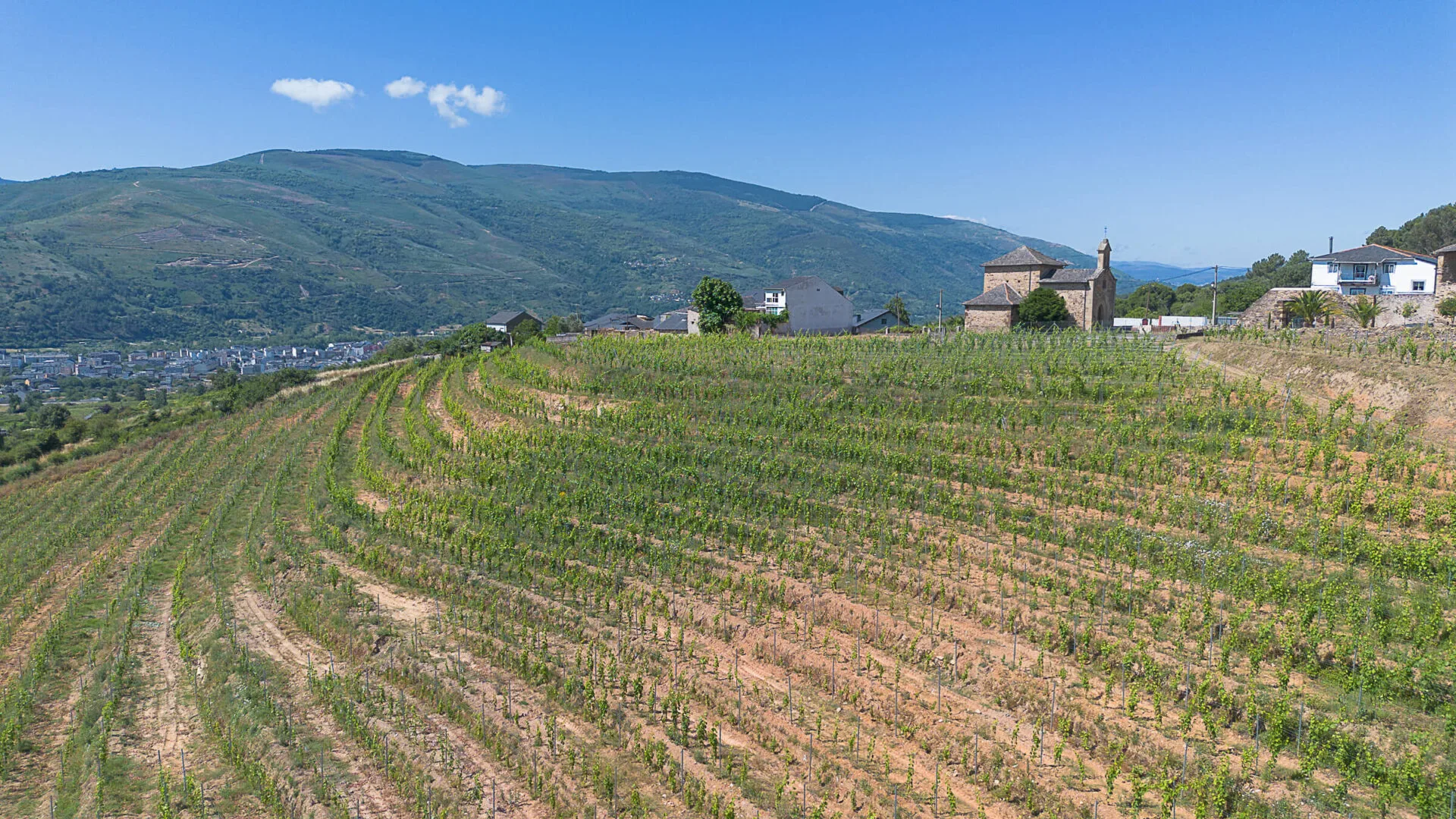
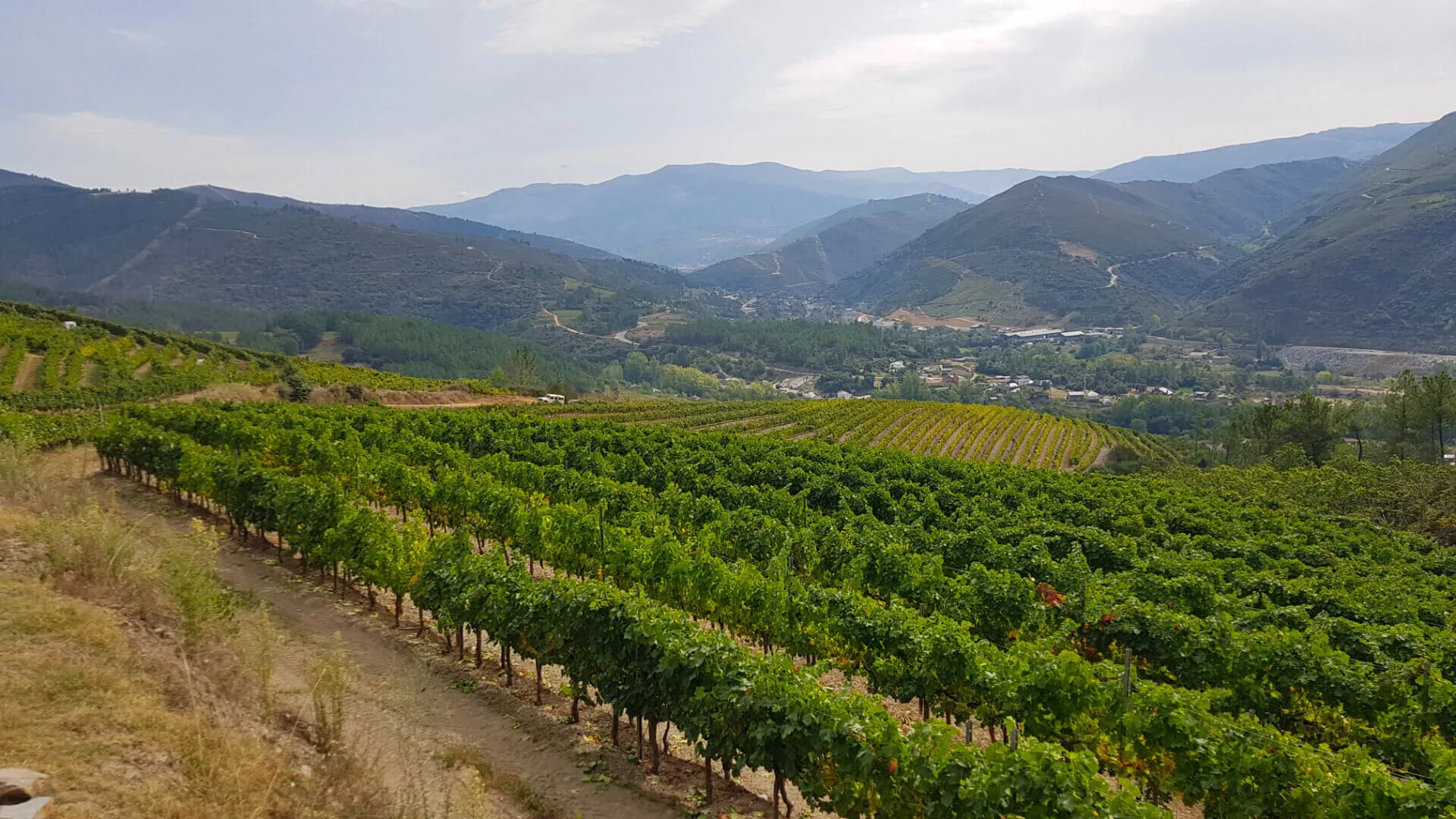
Among its best-preserved jewels are the Roman bridges, masterpieces of engineering integrated into dreamlike landscapes. The Puente do Bibei, declared a Historic-Artistic Monument in 1931, is the emblem: three semicircular arches raised on imposing pillars that reflect the grandeur of a civilization that shaped these lands. Alongside it, a network of bridges—Cigarrosa, Rodeleira, Córrego, and Regueiral—weave a unique route where history is walked step by step.Valdeorras displays a natural beauty as striking as its historical legacy. Amid mountains with steep slopes and a mild climate, its terraced vineyards blend with native forests, creating a unique landscape where heroic viticulture dialogues with privileged ecosystems.
In the municipality of Rubiá lies this natural park of 3,100 hectares, a sanctuary of Mediterranean flora where holm oaks, cork oaks, and olive trees coexist with spectacular karst formations. Its “Palas”—caves carved into limestone—house one of the largest bat colonies in Galicia, attracting speleologists and zoology enthusiasts.
Here, the Sil River carves its masterpiece: the Estrecho de Covas, a gorge that displays its grandeur both to train travelers and to hikers who pass through charming villages such as Pardollán or Vilardesilva. Crowning the region, Pena Trevinca (2,127 m) and its massif—protected as part of the Natura 2000 Network—offer a refuge for birds and the purest essence of Galician mountain landscapes.
Low overcrowding makes Valdeorras an ideal destination for enjoying hiking, canyoning, or 4×4 routes among vineyards, where nature is experienced with full intensity and without haste.
The Valdeorras Wine Route is much more than an oenological itinerary; it is a sensory journey where Godello and Mencía host a landscape that beats to the rhythm of its vineyards. Here, every winery tells a story, every “cova” reveals an ancestral secret, and every vine grows on slate soils that give the wines their unique character.
But this route is not experienced only in the glass: it is traveled among Roman bridges that defy time, breathed in the heights of Pena Trevinca, and savored in a gastronomy rooted in the garden and tradition. It is the perfect proposal for those who seek to drink the essence of Galicia, not only in its wines, but in every corner of a territory that preserves its authenticity

Gastronomy of Valdeorras
The gastronomy of Valdeorras is a journey through the flavors of a region that has known how to preserve its culinary identity. From artisan cured meats from the traditional slaughter, such as botelo, to unique specialties like costrela empanadas and the singular maravallas empanadas, Valdeorras cuisine celebrates tradition with dishes found nowhere else. These specialties are paired with local wines: Godello and Mencía. The experience culminates with sweets such as filloas, bicas, and the traditional torta de roxóns, accompanied by the iconic coffee liqueur—authentic flavors that define the gastronomic soul of Valdeorras.
Costilla Empanada
Fine pastry filled with pork ribs seasoned with paprika, juicy and flavorful.
Pulpo a la Feira
One of Galicia’s most emblematic dishes, prepared with fresh octopus, olive oil, paprika, and coarse salt.
Roast Kid Goat
Another representative dish of the region, carefully prepared with flavor on the grills of Valdeorras.
Roscones and Bicas
Typical sweets, ideal for afternoon snacks, especially during local festivities.
Chicharrón Cakes
A delicious dessert with a traditional flavor that reflects the essence of Valdeorras gastronomy.
Valdeorras chestnuts have reclaimed their place in modern gastronomy, transforming from a humble food into a star ingredient of traditional cuisine. With the arrival of autumn, the region’s forests become a mycological paradise, where chanterelles, boletus, and saffron milk caps emerge among the leaf litter. This season unites mushroom foragers and magosto participants in the same ritual, creating a unique experience where the aroma of roasted chestnuts blends with the excitement of forest discoveries
Magostos are much more than a festivity in Valdeorras: they are a collective ritual that celebrates the arrival of autumn and pays homage to the chestnut, a humble fruit that has fed generations for centuries. When the forests turn ochre and the air fills with freshness, families and friends gather around crackling bonfires to roast chestnuts, share stories, and revive a tradition deeply rooted in Galician rural culture.
The atmosphere is infused with the smoky aroma of firewood and the sweetness of freshly opened chestnuts, while Mencía—the region’s emblematic red wine—flows as the ideal companion to this simple and emotional feast. Amid laughter, traditional music, and the crackling of the fire, the magosto becomes an act of belonging, a way to honor the cycles of the land and keep the flame of memory alive. Even the queimada may make an appearance, adding its mystery and warmth to a night where the taste of roasted chestnuts blends with the unforgettable memory of a united community.
Festivals of Valdeorras: Flavors and Wines that Unite Tradition
In the heart of Ourense, the Valdeorras region unfolds a festive calendar that is a window into its soul: where the scent of Godello wine mingles with the ringing of bells, the crackle of roasted chestnuts, and the notes of traditional music. Each celebration is a tribute to its roots, combining popular devotion, ancestral gastronomy, and the hospitality that defines this land of vineyards and legends. Discover the festivals that beat strongly in every corner of its municipalities:
Festa do Botelo
Every January, the Festa do Botelo arrives, declared of Tourist Interest of Galicia, and with smoke and flavor extols this ancestral cured meat, served with potatoes and cabbage, chorizos, and, of course, the indispensable local red wine. The celebration concludes with the sweet note of chicharrón cake.
Feira do Viño
Spring brings the Valdeorras Wine Fair, a showcase of the Valdeorras Denomination of Origin in which local wineries present their finest Godellos and Mencías, transforming the region into a stage for paired tastings, creative tapas routes, and multiple activities that make this event a complete celebration and an experience for all the senses.
Festa de San Xurxo
Every April 23, Vilamartín de Valdeorras honors its patron saint, San Xurxo. The day combines a solemn mass and procession with concerts, open-air dances, traditional games, and communal meals that turn the festival into a vibrant meeting point for locals and emigrants.
Rutas das Covas
The route opens the Covas for wine and traditional product tastings, with entertainment and musical groups. It attracts a large number of visitors and is a unique reference in the region, being a pioneering festival among all similar routes that exist today.
Feira 1812
The Feira 1812 is a festival set in the 19th century to commemorate the Constitution of Cádiz of 1812. It includes reenactments of representative events of that era, craft exhibitions, and the sale of traditional products, among many other activities.
MARCO
The “MARCO” Regional Exhibition transforms the streets of Petín into an open-air gallery, turning the municipality into a showcase of local and regional artistic talent. This unique event allows art to leave conventional spaces and integrate into the urban landscape.
Festa da Freba
The Festa da Freba is one of the main gastronomic festivals of the Valdeorras region, welcoming the winter season. Attendees can taste different preparations made from freba, chorizos, as well as homemade desserts typical of the area.
Bacofesta
The Bacofesta is a Roman-gastronomic fair that seeks to highlight the history, wines, and gastronomy of A Rúa and the region. This festival aims to pay tribute to the winemaking legacy of Valdeorras through the best of wine tourism, combined with live music and recreational activities.
Festa do Codillo
The Festa do Codillo pays tribute to this product, accompanied by many other typical Galician and Valdeorras specialties. A popular festival that keeps alive the tradition of the most characteristic preparations of Valdeorras.
Festa da Empanada de Costrelas
This festival celebrates one of the most characteristic and unique products of the Valdeorras region: the costrela empanada. The costrela empanada can be paired with wines from the Denomination of Origin and with another of the region’s singularities, the Torta de Roxóns.
Covas de Seadur
A springtime event unique to the Larouco area is the visit to the Covas de Seadur. It is a route through the most traditional wineries in the area, carved into the rock of Seadur, and includes wine tastings and local products.
Festa do Cordeiro
The Festa do Cordeiro is one of the most anticipated gastronomic events in Larouco. Held at the end of April, this festival brings together hundreds of people to enjoy a traditional menu where roast lamb is the star. The celebration is completed with live music and children’s activities.
A Robla de Seadur
A Robla de Seadur already has its place in Larouco’s autumn calendar, bringing together locals and visitors who love wine and wine tourism. This festival combines traditional music, gastronomy, and wine and aims to become the celebration of the end of the harvest.
Festa da Vitela
The Festa da Vitela is a gastronomic event that celebrates veal and the local culinary tradition of the town of O Bolo. It includes tributes, tastings of typical products, a local fair, and activities accompanied by music.
Feira Irmandiña
The Feira Irmandiña is a medieval fair that commemorates the peasant revolt of the 15th century in Galicia, when the Castle of O Bolo was destroyed by the Irmandiños. The festival is held around the castle and includes a medieval market, historical reenactments, guided tours, among other activities.
Festa da Matanza
The Festa da Matanza in Rubiá revives one of the deepest traditions of rural Galicia, transforming sausage making into an authentic community ritual. During this gastronomic day, the star products of the slaughter—such as cured chorizo, lacón, and the flavorful androlla—are prepared in front of the public, always accompanied by wines from the Valdeorras D.O.
Romaría de San Xil
The Romaría de San Xil is one of the most deeply rooted traditions of Carballeda de Valdeorras. Pilgrims travel to the chapel of San Xil, located in the heart of nature, to honor the saint. The day combines religious acts with outdoor countryside meals, traditional music, and a festive atmosphere, keeping alive one of the oldest pilgrimages in the region in a privileged natural setting.
How to get there
Valdeorras Wine Route Association
Praza do Concello, nº232300 O Barco de Valdeorras
Ourense, Galicia, España
Phone: 988 32 11 50
Email: info@rutadelvinovaldeorras.com
How to Get There by Train
Valdeorras also has good railway connections. The O Barco station offers several train lines connecting the region with other Galician cities. Check Renfe timetables to plan your arrival.
How to Get There by Bus
There are several intercity bus lines connecting O Barco de Valdeorras with major Galician cities such as Ourense and Vigo. Be sure to check schedules with local bus operators.